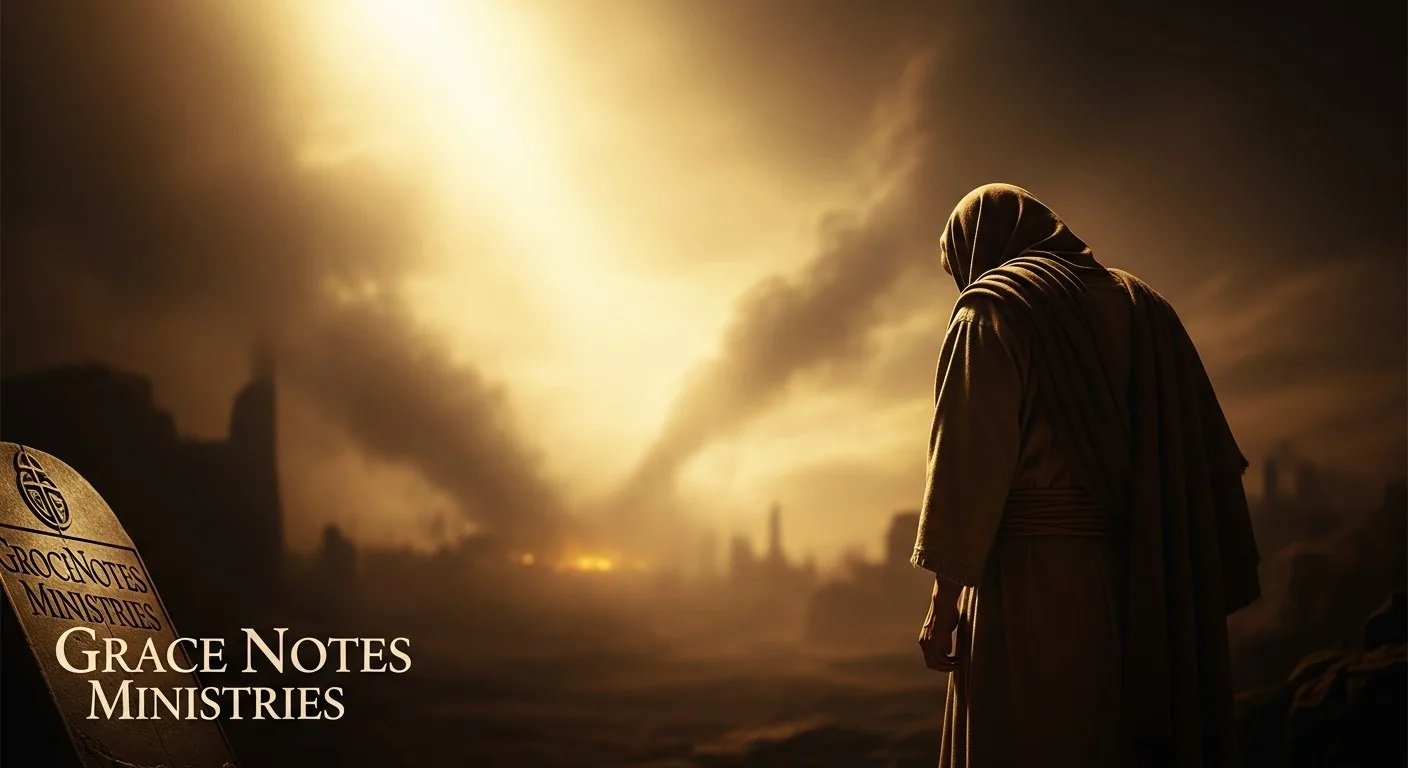
The story of Sodom and Gomorrah is one of the most solemn accounts in the entire Bible. It's a narrative that makes us pause and reflect on the absolute holiness of God and the reality of His judgment. While it's easy to look at this history with fear, we find a beautiful reminder of God's mercy and His willingness to rescue those who trust in Him when we look closer at the Scriptures.
The story of Sodom and Gomorrah is one of the most solemn accounts in the entire Bible. It's a narrative that makes us pause and reflect on the absolute holiness of God and the reality of His judgment. While it's easy to...
- The Cry of the Cities and God's Righteous Judgment: Trusting God's Word through life's deepest trials and seasons of waiting.
- The Root Sins of Sodom and Gomorrah: Trusting God's Word through life's deepest trials and seasons of waiting.
- Mercy in the Midst of Judgment: Trusting God's Word through life's deepest trials and seasons of waiting.
The Cry of the Cities and God's Righteous Judgment
In Genesis, we read that the wickedness of Sodom and Gomorrah had grown so great that it cried out to heaven. God didn't act rashly; He went down to see if the outcry matched the reality of their deeds. The Bible tells us exactly what happened when the cup of their iniquity was full:
"Then the LORD rained upon Sodom and upon Gomorrah brimstone and fire from the LORD out of heaven; And he overthrew those cities, and all the plain, and all the inhabitants of the cities, and that which grew upon the ground."
Genesis 19:24-25
This wasn't an arbitrary act of anger. It was the righteous judgment of a holy God who cannot look upon sin with approval. The destruction of these cities serves as a permanent physical marker of what happens when a society completely turns its back on God's moral order.
The Root Sins of Sodom and Gomorrah
Many people focus solely on the sexual immorality of the cities, which Jude 1:7 clearly condemns, noting they gave "themselves over to fornication, and going after strange flesh." However, God's word reveals that their spiritual decay started long before those outward actions manifested. Through the prophet Ezekiel, God exposes the root causes of their downfall:
"Behold, this was the iniquity of thy sister Sodom, pride, fulness of bread, and abundance of idleness was in her and in her daughters, neither did she strengthen the hand of the poor and needy."
Ezekiel 16:49
It's a sobering warning for us today. Their ruin began with pride, comfortable living, and a lack of concern for the needy. When we have plenty of food and idle time, but no room for God or compassion for others, we're on a dangerous path. The outward sins of Sodom were simply the fruit of a heart that had already rejected God.
Mercy in the Midst of Judgment
Even in this dark chapter of biblical history, God's mercy shines brightly. Before the fire fell, God remembered Abraham's intercession and sent His angels to rescue Lot and his family. Lot wasn't perfect, but he was a believer who was grieved by the wickedness around him. The Apostle Peter highlights this deliverance to comfort us:
"And turning the cities of Sodom and Gomorrha into ashes condemned them with an overthrow, making them an ensample unto those that after should live ungodly; And delivered righteous Lot, vexed with the filthy conversation of the wicked:"
2 Peter 2:6-7
If you're feeling overwhelmed by the darkness of the world around you, take heart. God knows how to protect His people. He doesn't sweep the righteous away with the wicked. Just as He delivered Lot, He's fully capable of keeping you safe in His grace, no matter how difficult your surroundings may be.
Our Hope and Refuge Today
The destruction of Sodom and Gomorrah isn't just an ancient history lesson; it's a mirror for our own hearts. It reminds us that sin has consequences, but it also points us to our ultimate rescue. We don't have to live in fear of judgment because Jesus Christ took the full weight of God's wrath on the cross for everyone who believes in Him.
Instead of looking at this story with dread, we can look at it with deep gratitude for our Savior. He's our refuge, our deliverer, and our peace. If you've placed your trust in Him, you're secure in His love, and your future is eternally bright.