
The Cry of the Midnight Heart
At three in the morning, I sit at my kitchen table, a mug of bitter coffee steaming beside an open journal. The house is silent, except for the distant hum of the refrigerator. My mind circles around a betrayal that still feels like a fresh wound. The hurt is raw, the anger sharp as winter wind against my cheek. I realize that I am standing at the edge of a cliff, longing to leap into bitterness but also hearing a gentle whisper that says forgiveness is the only safe ground.
Jesus taught his disciples to pray, saying, "And forgive us our debts, as we forgive our debtors." That petition is not a polite request but a covenantal demand. The prayer links the receiving of divine mercy to our willingness to extend it. In Matthew 6:14 we read, "For if ye forgive men their trespasses, your heavenly Father will also forgive you." The language is plain yet powerful; forgiveness becomes the condition for our own pardon. This connection shatters any notion that forgiveness is optional; it is the very doorway through which God's grace flows to us.
The doctrine that forgiveness is a divine transaction reshapes our pain into an opportunity for redemption. When we release the offender, we are not condoning the sin but obeying the heart of God. The Gospel declares that Christ bore our debts on the cross, satisfying God's justice while extending mercy. By forgiving, we participate in that same merciful act, allowing the Holy Spirit to heal our bruised hearts. The result is not a superficial peace but a deep, soul‑level transformation that aligns us with the character of our Father.
"And forgive us our debts, as we forgive our debtors. For if ye forgive men their trespasses, your heavenly Father will also forgive you."— Matthew 6:12-14, KJV
When Self‑Reliance Breaks
Imagine trying to mend a shattered vase with tape and glue, believing the pieces will hold together by sheer will. That is what our human mind does when it attempts to earn forgiveness through good works or relentless self‑control. The doctrine of merit tells us that if we are diligent enough, the hurt will vanish on its own terms. Yet Scripture exposes this illusion in Ephesians 4:32, which commands us to be kind and forgiving just as Christ forgave us. The command is not a suggestion for the strong but a command for the redeemed, whose power comes from Christ alone. When we rely on our own strength, resentment festers like rust in a neglected door.
In the cross, Jesus accomplished what we could never achieve; He satisfied God’s justice and poured out mercy for every sinner. The apostle Paul reminds us that we are "dead in trespasses and sins" yet have been made alive in Christ (Eph 2:1). This new life is not built upon our attempts to right every wrong but upon the finished work of a Savior who already paid the price. Therefore, forgiveness is not a project but a fruit that flows from the life we receive in Him. When we rest in that reality, our hearts are no longer burdened by the weight of unpaid debts.
Ephesians 4:32 says, "And be ye kind one to another, tenderhearted, forgiving one another, even as Christ forgave you." The Greek term for "forgive" (aphiemi) means to release from a debt. Christ’s forgiveness is total; He did not merely overlook our sins but removed them as if they had never existed. By commanding us to imitate this divine release, Paul invites us into the very nature of God’s mercy. The passage also links kindness and tenderheartedness to forgiveness, indicating that a compassionate heart is the natural environment where release can occur. Thus, each act of kindness becomes a step toward the larger work of forgiving as Christ has forgiven.
"And be ye kind one to another, tenderhearted, forgiving one another, even as Christ forgave you."— Ephesians 4:32, KJV
Walking in Forgiveness Daily
In a cramped kitchen after dinner, my teenage son slams the door and mutters that I never understand him. The sting of his words cuts deep, recalling my own failures as a father. Yet I remember the prayer I whispered earlier that night, asking God to forgive my shortcomings as He forgave me. As the Holy Spirit settles in my chest, I choose to respond not with a sharp retort but with a gentle invitation to talk later. This small act of releasing his anger mirrors the larger call to release the hurt that a stranger inflicted on me weeks ago. In those ordinary moments, forgiveness becomes a daily discipline rather than an occasional miracle.
I have walked through seasons where the desire for revenge felt as natural as breathing. The temptation to hold a grudge is easy; it gives the illusion of control. Yet Christ invites us into a freedom that surpasses any sense of justice we could manufacture. When you feel the urge to count every wrong, pause and remember that you are already counted as forgiven. Let that truth quiet the storm inside, allowing you to rest in the assurance that God is already at work. Your role then is simply to trust Him and extend the same grace outward.
Each day presents a fresh arena where the cross calls us to lay down our grievances. The believer who walks in forgiveness carries a heart that reflects the mercy of the Father, not the bitterness of the world. This does not mean pain disappears instantly; the memory may linger, but its grip loosens as we repeatedly choose to release. The Spirit cultivates this habit by reminding us of the gospel each morning, renewing our minds with the truth that we are loved beyond measure. In this ongoing surrender, we discover a peace that steadies us even when the world around us trembles.
"For if ye forgive men their trespasses, your heavenly Father will also forgive you. But if ye forgive not men their trespasses, neither will your Father forgive your trespasses."— Matthew 6:14-15, KJV
Standing on the Rock of Grace
The Scriptures lay a firm foundation for forgiveness: we are called to release others because the Father has already released us. This principle is anchored in the Lord's Prayer, where we ask, "And forgive us our debts, as we forgive our debtors." It is also affirmed in Ephesians 4:32, which commands us to forgive as Christ forgave. These verses together form an unshakable baseline that does not shift with culture or circumstance. When we cling to this biblical standard, our hearts find a sure footing amidst the shifting sands of hurt. The promise attached to obedience is clear: God's own forgiveness will follow.
Yet the heart can easily slip back into a legalistic rhythm, measuring forgiveness by how well we perform the act. That mindset traps us in a cycle of self‑condemnation, where every missed step feels like another sin. The Bible warns that such performance is empty; it cannot earn the Father's favor because forgiveness is a gift, not a wage. If we return to counting our good deeds as payment for grace, we revive the very bondage that Christ died to break. Let us instead rest in the assurance that Christ's righteousness covers us, freeing us from the endless tally of our efforts. In that rest, we are free to extend forgiveness without fear of falling short.
"For if ye forgive men their trespasses, your heavenly Father will also forgive you: But if ye forgive not men their trespasses, neither will your Father forgive your trespasses."— Matthew 6:14-15, KJV
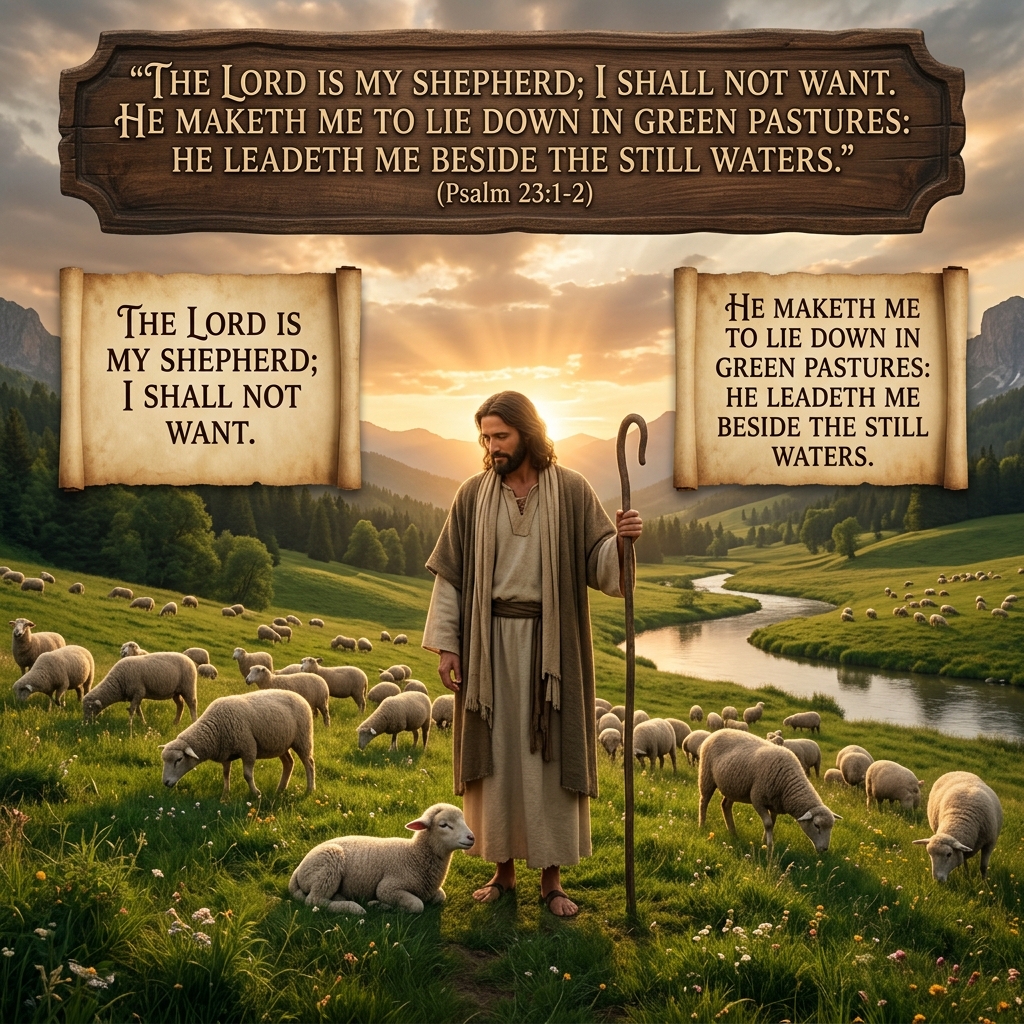
As you close this reflection, picture the sunrise breaking over a quiet field, its light sweeping away the night’s shadows. That light is the gospel, casting aside the darkness of unforgiveness that clings to our souls. Remember that Christ has already removed every debt you could never repay, and He calls you to do the same for others. Each step you take toward forgiveness is a step into the glorious freedom He purchased on Calvary. May your heart be continually reminded that you are held in the Father's forgiving hands, and may that assurance empower you to release every grievance. Walk forward with confidence, knowing the same One who forgave you walks beside you.