
You stand in front of the mirror, ring light humming, and you slide that little stud into your cartilage with a practiced twist. It's not a big deal, of course — just metal and skin — but there it sits, catching the ligh...
- The Mirror and the Mark: Trusting God's Word through life's deepest trials and seasons of waiting.
- The Heart Behind the Hole: Trusting God's Word through life's deepest trials and seasons of waiting.
- Wearing It Well: Trusting God's Word through life's deepest trials and seasons of waiting.
The Mirror and the Mark
You stand in front of the mirror, ring light humming, and you slide that little stud into your cartilage with a practiced twist. It's not a big deal, of course — just metal and skin — but there it sits, catching the light like a small flag planted on some private hill of self. You tell yourself it's nothing more than style, a flicker of color against the pale canvas of your ear. Yet late at night, when the house finally goes quiet and the screen saves itself to black, you wonder who you're really showing off to. You've been taught that beauty is something you earn, something you build by layer on layer of correction. So you carve yourself into a thing that fits the room, and then you wonder why you still feel hollow.
Now look at what the Word actually says about adorning ourselves, because we've been reading it sideways for years. The apostle Peter doesn't wave at your jewelry box; he points past the surface to the quiet place where God actually dwells. He writes that your adornment should not be the outward adorning of plaiting the hair, and of wearing of gold, or of putting on of apparel; But let it be the hidden man of the heart, in that which is not corruptible, even the ornament of a meek and quiet spirit, which is in the sight of God of great price (1 Peter 3:3-4, KJV). Notice he doesn't condemn the ear — he condemns the restless heart that believes its worth lives in metal and pain. The piercing becomes a question, not a verdict: are you decorating yourself because you're already loved, or are you trying to earn love through the decoration?
The Scripture flips the whole economy. You don't buy your way into being precious; you're already priced beyond measure by the blood of Christ. So what does the Bible say about piercings, really? It says nothing directly, which is itself an answer — the Law never told you whether your lobe should carry a diamond. What it does say, loud and plain, is that the Father reads your heart while you're busy reading your reflection. He sees whether that little glint in the mirror is gratitude or desperation, worship or worry. When you mistake a mark for a meaning, you hand over your identity to the very thing that can be taken off. But when you rest in what He's already spoken over you, every piercings becomes just jewelry again — harmless, beautiful, and finally free.
But let it be the hidden man of the heart, in that which is not corruptible, even the ornament of a meek and quiet spirit, which is in the sight of God of great price.— 1 Peter 3:4, KJV
The Heart Behind the Hole
Religion loves a checklist — do this, don't that, wear this, skip the silver — because rules are easier to obey than a soul. You can count the hoops on your ear, but you can't audit a motive without getting honest about fear. Self-reliance is just fear with better PR, and it crumbles the moment someone laughs at your choice or calls you vain. The Pharisees in Jesus' day wrestled over the same trap: they wanted to catch Him in a word about tribute, about what belonged to Caesar and what didn't. They brought Him a penny, that little denarius stamped with an image, thinking the question itself would pin Him down. But Jesus knew their hypocrisy and turned it into a mirror, forcing them to stare at the imprint they carried on every coin — and on themselves.
Here's where grace swallows the whole performance game: Christ didn't come to add another tally mark to your ledger of acceptability. He came to cancel the debt you could never pay, and in doing so He rescued you from having to prove anything. Render unto Caesar the things which be Caesar's, and unto God the things which be God's (Mark 12:17, KJV). You hear that and think of taxes; He meant something far more intimate. The image on the coin belonged to Caesar because he struck it — your life belongs to God because He formed you. Nothing you pierce or polish adds a single ounce to what He's already declared yours, and nothing you skip takes away a single ounce. The finished work of Christ doesn't negotiate; it finishes. So you can let the piercings be what they are — small, temporary marks on skin — and stop asking them to carry the weight of your soul.
Look closely at that denarius, because it teaches more than you'd expect. Every coin of the era bore a face designed to command allegiance, and Jesus asked which authority your life actually worshipped. You might think you're choosing between right and wrong, but the deeper split is worship versus anxiety — are you serving God's love or feeding your own fear? The piercing in your ear doesn't belong to any kingdom until you hand it a heart. When the Holy Spirit moves there, that tiny hole becomes a reminder that your identity wasn't stamped by culture, by scarcity, or by the scowl of a generation. It was sealed at Calvary, where the nails were driven and your name was etched into flesh that couldn't be rubbed away. You don't need to earn the mark; you've already been marked by grace.
And yet, don't mistake freedom for license — that's the old serpent's favorite disguise. Liberty isn't a blank check to do whatever flatters you; it's the space where obedience finally gets to breathe. The body is not for fornication, but for the Lord, and the Lord for the body (1 Corinthians 6:13, KJV), Paul writes, and he's talking about more than sex. He's talking about every part of you — hands, feet, eyes, ears, the skin between them. If your piercings stir someone's conscience, if they become a stumbling block to a weaker brother or sister, the love question outranks your rights. We don't live for ourselves; we live for Him who died and rose again, and that changes how you wear everything. So ask the Spirit in quiet moments: does this mark draw me closer to the Giver, or deeper into myself? The answer will shape more than your jewelry cabinet.
Now bring it home to the altar of obedience, where every small yes builds a life that can't be shaken. When you choose modesty not out of fear but out of worship, the world can't read your insecurity anymore. You stop performing and start resting, and that rest is louder than any statement you could carve into your body. The meek and quiet spirit Peter praises isn't a personality type; it's a battlefield won by surrender. You lay down the need to be seen, and in that laying down you discover you've never been unseen. That's the quiet revolution grace starts inside a single ear, a single glance, a single decision to trust the Author instead of the audience.
Render unto Caesar the things which be Caesar's, and unto God the things which be God's.— Mark 12:17, KJV
Wearing It Well
Tuesday morning arrives with laundry piled on the chair and your kid asking if they can have fries for dinner, and that's where theology meets the kitchen sink. You clip your earrings in before breakfast — silver hoops, maybe a small diamond stud — and you do it without thinking, because the habit has long since slipped past ceremony. But then your spouse mentions something sharp about vanity, or a friend makes a joke, and the old reflex kicks in: defend yourself. You could launch into a lecture on Christian liberty, or you could just hand them an orange and say, "I'll think about it." The kingdom grows in the small mercies, not in the arguments that prove you're right. When you choose gentleness over being confirmed, your piercings become what they were always meant to be: ordinary things worn by an extraordinary person.
So rest in Christ. He's not sitting up there waiting for you to get your aesthetics doctrinally correct so He can finally approve of you. You're already accepted; the work is done, and your job is to abide in what's finished. Stop trying to fix yourself into a version of holiness that looks right on Instagram and feels empty in the dark. Lay down the performance, let Him love you without your approval of yourself, and watch how quickly the anxiety drains out of every decision. You'll still put in those earrings some mornings, and you'll take them out others, and neither act will carry the weight of your salvation anymore. That's the relief that turns a habit into worship.
Walking in this grace day by day means letting the Spirit grade your motives, not your accessories. Some mornings you'll feel bold and wear three gauges; some mornings you'll sleep with empty earlobes and a light heart. The measure is never the number of holes but the depth of your trust in the One who holds you. When conviction comes, it won't shout about fashion — it'll whisper, "Love better." And love answers by laying down rights, by choosing kindness over being right, by forgiving the person who cringes at your style. That's what it looks like to live free inside a body the world tries to commodify: you wear what pleases God, not what flatters fear. Every piercings then becomes a small altar where you rehearse surrender, again and again.
For the body is not for fornication, but for the Lord; and the Lord for the body.— 1 Corinthians 6:13, KJV
Solid Ground
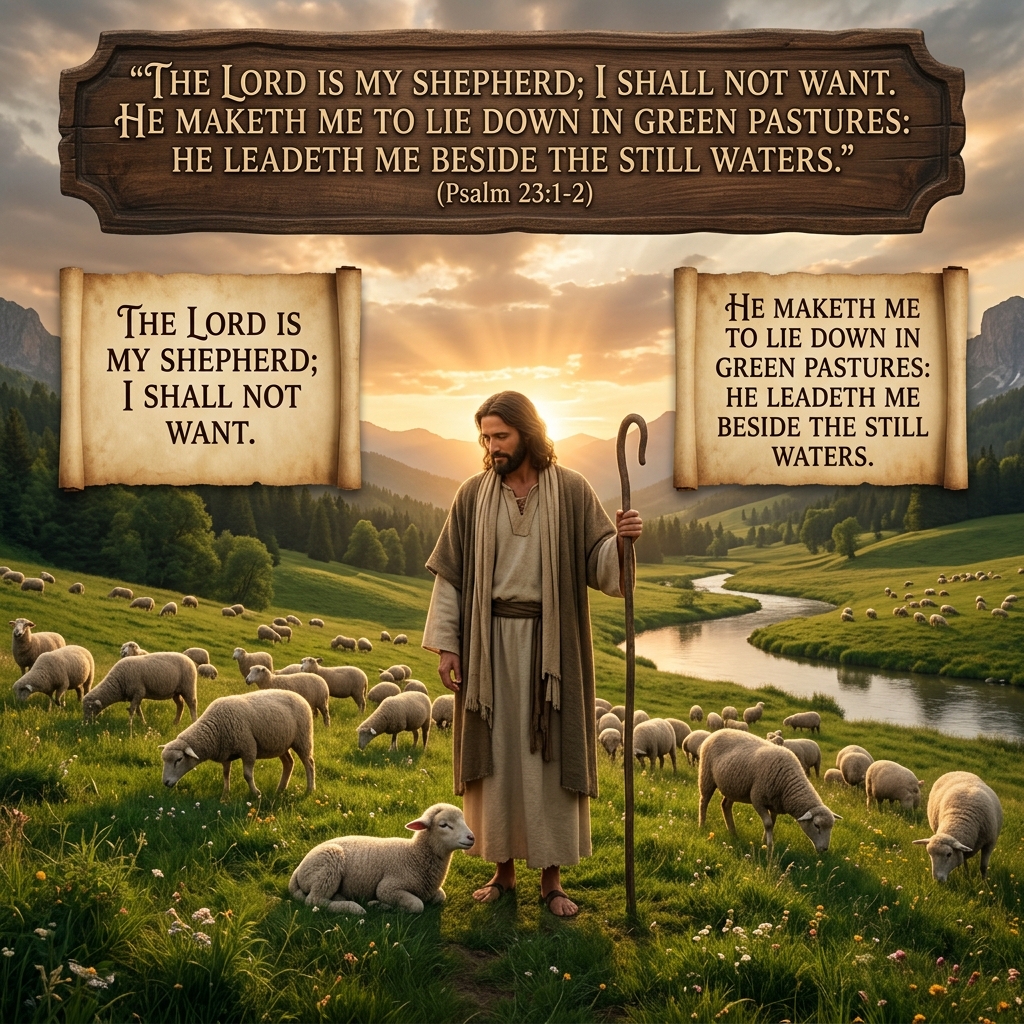
Stand on what the KJV actually declares, not on what trends whisper in your ear. The Bible never commands piercings and it never bans them; instead, it anchors your worth in a promise that age cannot erode. The Lord is my shepherd; I shall not want (Psalm 23:1, KJV), and that one line dismantles a thousand anxieties about looking right. You don't need to earn favor through your silhouette, and you don't have to defend your style to prove your faith is real. God's promises are unshakeable, and they rest on His character, not your compliance with the culture. When everything shifts around you — fashion, followers, even your own reflection — that Word remains, steady as a rock in a river.
But beware the old chains of guilt, because religious shame always wears a costume. It will dress itself up as holiness and hand you a new list of things to avoid or embrace, convincing you that God wants your earlobes as much as He wants your heart. Don't fall for it. The guilt that drives you back into performance is a counterfeit, and the only true conviction points you toward the cross. Christ has set you free; stand fast therefore, and be not entangled again with the yoke of bondage (Galatians 5:1, KJV). That yoke doesn't only look like old-fashioned legalism; sometimes it looks like a quiet fear of being judged, which is just the same chain wearing different shoes. When temptation whispers that you must perform to be loved, answer with a quiet "no" and return to the finished work.
Stand fast therefore in the liberty wherewith Christ hath made us free, and be not entangled again with the yoke of bondage.— Galatians 5:1, KJV
You are not your piercings, and you're never less than loved because of them. The Father who formed you sees the heart beneath every mark and calls it precious, not because of what's on your skin but because of whose you are. So wear what pleases God, love who crosses your path, and let the quiet spirit be your truest ornament. The world will keep changing its mind about beauty; Christ never will. Take heart, rest in Him, and walk forward into the peace He bought for you.