
At three in the morning, the house was silent but his heart thundered. He stared at a photograph of his brother, eyes clouded with resentment that had lingered for years. The memory of a harsh word replayed, each echo a...
- The Weight of Unspoken Debt: Trusting God's Word through life's deepest trials and seasons of waiting.
- The Fault of Self-Justification: Trusting God's Word through life's deepest trials and seasons of waiting.
- Living Out the Gift of Forgiveness: Trusting God's Word through life's deepest trials and seasons of waiting.
The Weight of Unspoken Debt
At three in the morning, the house was silent but his heart thundered. He stared at a photograph of his brother, eyes clouded with resentment that had lingered for years. The memory of a harsh word replayed, each echo a reminder of what was left unsaid. He thought about the night he had abandoned the dinner table, leaving a plate untouched as if it were an accusation. It felt like a stone lodged in his chest, refusing to settle.
Matthew 6:12 offers a template for releasing that burden: "And forgive us our debts, as we forgive our debtors." This call is not a suggestion; it is a demand that mirrors the divine economy of grace. The prayer places our need for forgiveness beside our willingness to extend it, creating a reciprocal flow that cannot be broken by stubborn pride. When we cling to offense, the promise collapses under its own weight. The verse forces us to confront our debtors with the same mercy we crave from Heaven.
The theological shift is profound: forgiveness transforms a relationship, not merely the offender. Instead of seeing sin as an insurmountable wall, we view it as a wound that Christ has already healed. The Scripture tells us that the Father’s forgiveness is unconditional, not based on our merit but on His unchanging character. By aligning ourselves with this truth, we no longer stand before the altar as a victim demanding justice but as an heir receiving mercy. The weight lifts, not because we forget the pain, but because we trust in the One who already paid the price.
"And forgive us our debts, as we forgive our debtors."— Matthew 6:12, KJV
The Fault of Self-Justification
He tried to convince himself that an apology was enough, that a heartfelt speech could erase years of bitterness. Yet his mind turned to self-improvement manuals, counting good deeds like coins in a jar. The performance mindset cracked under the pressure of true humility; it never reached beyond the surface. The deeper fault is believing that we can earn forgiveness through effort, as if grace were a prize to be won.
Ephesians 4:32 cuts through that illusion, declaring, "Be kind one to another, tenderhearted, forgiving one another, even as Christ forgave you." The finished work of the cross is a completed story; it does not require our additions. When we rest in that truth, guilt stops its march and the heart begins to breathe freely. The forgiveness we receive is not a transaction but an inheritance, already secured by the blood of Christ.
Matthew 6:14-15 further sharpens this point: "For if ye forgive men their trespasses, your heavenly Father will also forgive you; But if ye forgive not men their trespasses, neither will your Father forgive your trespasses." This is a warning against spiritual inertia. The scripture makes it clear that forgiveness is a condition of receiving forgiveness, not an optional add-on.
"Be kind one to another, tenderhearted, forgiving one another, even as Christ forgave you."— Ephesians 4:32, KJV
Living Out the Gift of Forgiveness
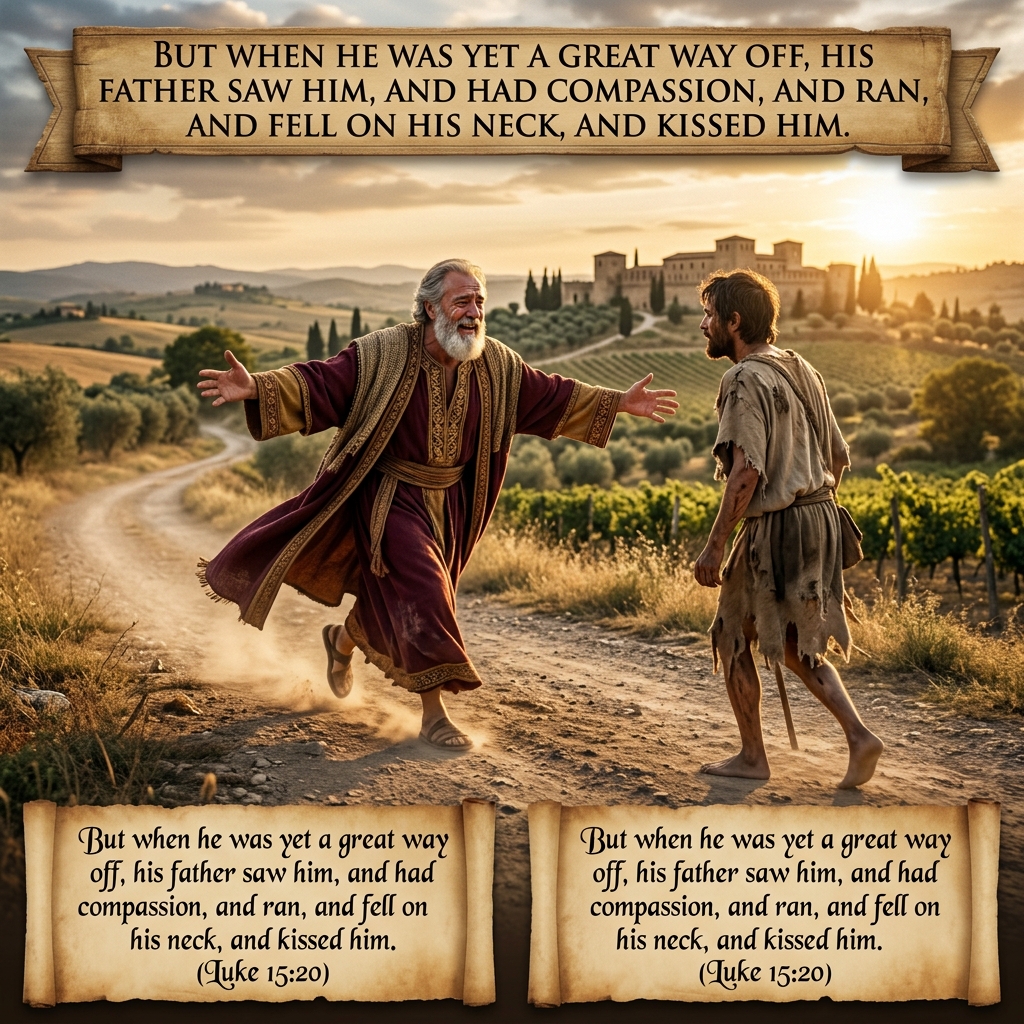
He stepped back into his family home, feeling the weight of his past actions. The dinner table was a battlefield of unspoken words and bruised feelings, yet he began to speak with honesty. He confessed his fault without demanding an apology in return, just standing in the truth of Christ’s mercy. The room shifted; his sister's eyes softened, and her voice carried a note of compassion rather than accusation. In that moment, the theology became flesh—an everyday practice that reshaped the atmosphere.
The pastoral heart urges you to cease from self-repair and stand on Christ’s finished work. You are not a project to be fixed; you are a child already covered by the blood of the Lamb. Rest in that identity, and let it shape your interactions. The grace you receive is not a tool for self-improvement but the foundation of your daily living.
Walking in this grace means learning to see each offense as a chance to practice divine forgiveness. It requires patience, and sometimes the only weapon you have is a gentle word spoken at just the right moment. Over time, this rhythm becomes second nature—a quiet confidence that no circumstance can shake.
"For if ye forgive men their trespasses, your heavenly Father will also forgive you; But if ye forgive not men their trespasses, neither will your Father forgive your trespasses."— Matthew 6:14-15, KJV
Anchored in Unchanging Promise
The scripture stands as a rock: "For thine is the kingdom, and the power, and the glory, for ever. Amen." This promise undergirds every moment we seek forgiveness. It assures us that the Father’s love is not fleeting but eternal, and His mercy never fails. When we align our lives with this truth, we find a stability that the shifting sands of culture cannot erode.
Beware of slipping back into the chains of performance, where you measure forgiveness by deeds. The danger lies in believing that the absence of guilt is something you achieve on your own. The Gospel declares that the forgiveness we receive comes from Christ alone, not from our own striving.
"For thine is the kingdom, and the power, and the glory, for ever. Amen."— Matthew 6:13, KJV
Leave this place with your heart anchored in the mercy of Christ. Let His words be the breath that steadies you when the world demands performance. You are invited to walk daily in a forgiveness so deep that it reshapes every relationship you touch. May the peace of God guard your thoughts and the love of Christ renew your spirit, now and forever.